This week, the financial press was dominated by a familiar narrative: the resurgence of volatility. Yet, beneath the headline swings of major indices, a more nuanced and potentially more consequential story was unfolding, centered on a single commodity whose price action is quietly rewriting the playbook for institutional investors globally: copper.
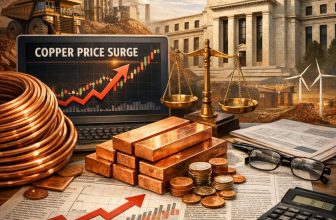
For months, copper has been dubbed “the new oil,” a critical input for everything from electric vehicles to power grids and data centers. Its status as a key electrification metal has underpinned a strong long-term bullish thesis. However, the recent price surge to multi-year highs feels different. It’s no longer a story driven solely by future demand projections or speculative fervor. This rally is being fueled by a tangible, immediate, and severe supply-side constraint that is forcing a fundamental reassessment of risk.
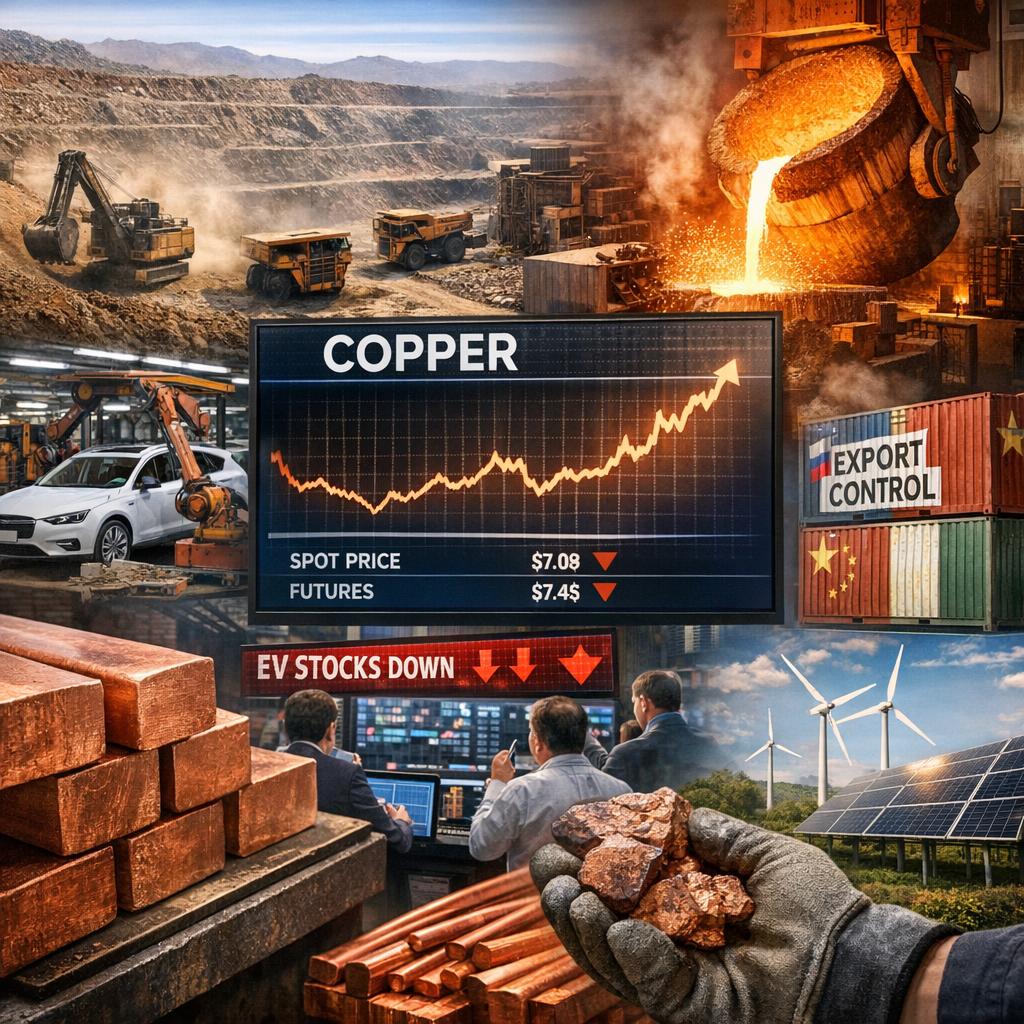
The catalyst is a series of unexpected and severe disruptions at major mines. From operational setbacks and geopolitical tensions in key producing regions to a wave of resource nationalism leading to stricter export controls, the physical market for copper is tightening at a pace that has caught many by surprise. This isn’t about futures traders; this is about smelters scrambling for concentrate and manufacturers facing real delivery delays. The backwardation in the market—where spot prices trade significantly above futures prices—is a classic signal of a physical shortage, a condition that tends to be far more persistent and impactful than volatility driven by financial flows.
For the global investor, this moves copper from a thematic, long-growth bet into the realm of a immediate macro-economic variable. Its influence is becoming analogous to that of oil in previous decades, but with a critical distinction: its demand profile is structurally linked to the energy transition. This creates a powerful and volatile feedback loop. Rising copper prices directly increase the input costs for renewable energy infrastructure and EV manufacturing, potentially slowing the very transition that justifies the high prices in the first place. It places central banks in a fresh bind, as a key industrial metal adds renewed pressure to goods inflation, complicating the path to lower interest rates.
The market impact is already radiating outwards. Equity investors are engaging in a brutal differentiation within the mining sector, rewarding companies with unencumbered, high-grade reserves and punishing those with operational missteps. More broadly, it is acting as a stiff test for the “green premium” many companies have claimed. Can a carmaker or a wind turbine manufacturer maintain margins if the core cost of electrification continues to soar? Their stock prices are beginning to answer that question in real-time.
Furthermore, this squeeze is triggering a reassessment of geopolitical risk. Nations with substantial copper resources are gaining newfound leverage, altering the dynamics of international trade and investment. For portfolio managers, this means country risk and supply chain security are now deeply embedded in the valuation of any company or fund tied to the electrification theme. It is no longer sufficient to believe in the trend; one must meticulously audit the pathway to the materials that make it possible.
In essence, the copper crunch is a stark lesson in the difference between a financial narrative and a physical reality. The narrative of long-term demand has been in place for years. The reality of present-day supply is now dictating terms. For investors, this shifts the focus from broad thematic ETFs to a forensic analysis of supply chains, operational efficiency, and political stability. It reminds us that the most powerful market forces are often those you can hold in your hand. The volatility in the copper market this week isn’t just noise; it’s the sound of a cornerstone of the modern economy being stressed, and the global financial architecture adjusting, one contract at a time.
I’m keen to hear your perspective on how this is affecting your own market outlook. Feel free to share your thoughts in the comments.