When tankers start turning around, markets don’t need a long briefing to understand what’s at stake.
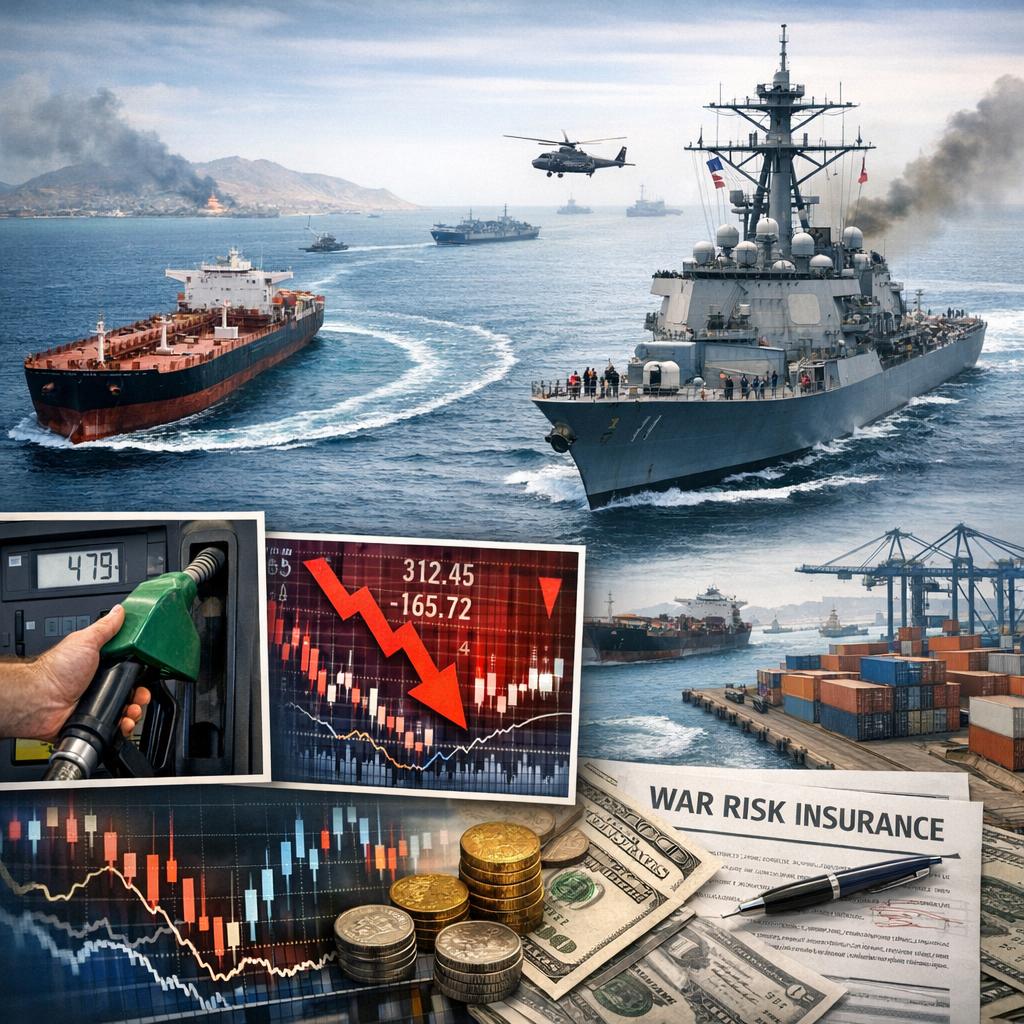
Reports that ships have altered course in the Strait of Hormuz amid tighter US-enforced transit restrictions are one of those developments that can look “regional” on a map but behaves “global” in portfolios. Hormuz is a narrow corridor with an outsized role: it’s a critical artery for energy flows, and energy is still the economy’s universal input cost—directly through fuel and power, and indirectly through shipping, manufacturing, and food.
This is how geopolitical risk quietly becomes an investing variable.
1) The first-order shock: energy pricing and the risk premium
Even before any physical shortage, oil and gas markets can reprice on risk alone. When traders can’t be sure that supply will move smoothly, they add a “geopolitical premium” to prices. That premium can expand quickly because it’s not just about what’s happening today; it’s about what could happen next week, and whether insurers, shipping firms, and commodity buyers will face new constraints.
For investors, this matters because energy price spikes behave like a tax on growth:
– Consumers feel it at the pump and in utility bills.
– Businesses see margins squeezed unless they can pass costs on.
– Central banks become more cautious, because inflation can re-accelerate even if demand is cooling.
2) The second-order shock: shipping, insurance, and supply chain friction
If vessels hesitate, re-route, or pause, costs rise in places that don’t always make headlines:
– Freight rates can jump.
– War-risk insurance premiums can surge.
– Delivery timelines get less reliable.
This isn’t 2021-style supply chain chaos by default, but it is a reminder that “just-in-time” depends on predictable transit. Any sustained friction tends to show up in earnings calls as higher input costs, delayed projects, and cautious guidance—especially for energy-intensive industries and companies with tight logistics.
3) Cross-asset knock-ons: rates, FX, and equity leadership
Geopolitical risk tends to reshuffle leadership inside markets rather than simply “crash everything” (though it can, if conditions deteriorate). The typical pattern is:
– Energy and some defense-related exposures outperform.
– Airlines, transport, and consumer discretionary can face headwinds.
– High-duration growth stocks can wobble if inflation expectations rise and rate cuts get pushed out.
Currencies can also react in ways that surprise newer investors. In risk-off moments, capital often crowds into perceived safe havens, and that can tighten financial conditions globally—particularly for emerging markets or countries reliant on imported energy. If your portfolio is geographically diversified, a Hormuz-linked shock can still hit multiple holdings through FX translation and risk sentiment.
4) What I’d watch next (as an investor, not a commentator)
This kind of story isn’t about guessing headlines. It’s about watching the transmission mechanisms:
– Oil volatility: not just price direction, but how violent the moves are.
– Shipping and insurance indicators: if costs keep rising, the “temporary” story becomes a structural one.
– Inflation expectations: if they start creeping up, policy flexibility narrows.
– Credit spreads: widening spreads are often the market’s early warning signal that stress is leaking into funding conditions.
5) Portfolio implications: positioning without panic
This is where discipline matters. Most investors don’t need dramatic portfolio flips; they need clarity on exposures:
– Are you unintentionally concentrated in areas that get hit by higher fuel and freight costs?
– Do you have a balanced mix of cyclicals and defensives?
– Are you relying on falling rates to justify valuations in your biggest positions?
– Is your “diversification” actually correlated during stress?
Sometimes the most practical move is simply to acknowledge that geopolitical risk isn’t a headline category—it’s a volatility input. And volatility changes the game: it widens dispersion between winners and losers, rewards balance-sheet strength, and punishes businesses with thin margins and fragile supply chains.
If you’re watching this story too, share what you think the market is underpricing right now: the duration of the disruption risk, or the second-order effects on inflation and rates.