Markets Rebound Strongly After Trump’s 90-Day Pause on Tariffs: What It Means for Investors

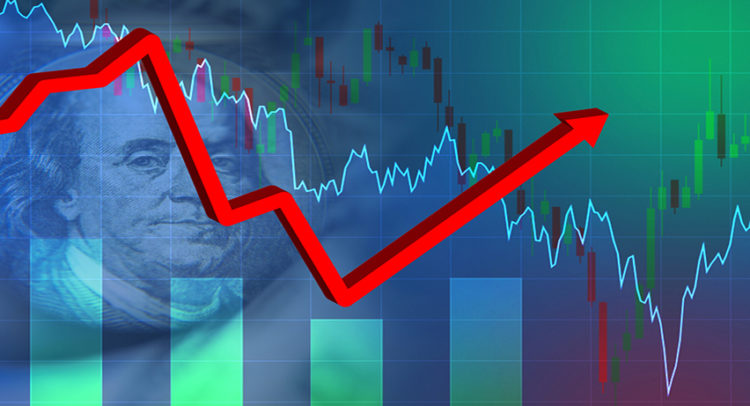
After taking a step back from the markets for a while, I wasn’t expecting to return in the middle of such dramatic volatility. But here we are — with global stock markets staging an impressive rebound, thanks in large part to a 90-day pause announced by former US President Donald Trump on his planned tariffs on countries around the world. Interestingly enough, he has hiked tariffs to 104% for Chinese imports!.
It’s a significant development, not just because of the market reaction, but because it illustrates the continued sensitivity of global equities to geopolitical news. As a Bajan living in the UK, and someone who’s worked in both the tech and financial sectors, I’ve been keeping an eye on these developments closely. Let’s unpack what’s happened, why markets reacted the way they did, and what this could mean going forward.
What Triggered the Rebound?
Today, Trump announced a temporary 90-day suspension of new tariffs aimed at Chinese goods, a move that caught many investors and analysts by surprise. For weeks, escalating rhetoric suggested further tariffs were imminent, raising concerns about renewed trade tensions and their potential impact on global supply chains, particularly in technology and manufacturing.
Instead, this pause in policy escalation has been interpreted by markets as a positive signal — a de-escalation, or at least a reprieve, in what has been a turbulent trade relationship between the US and other countries over the past week.
Markets wasted no time in responding:
- Tech stocks like Apple gained massive (10-15%).
- The Dow Jones Industrial Average surged more than 7%
- The Nasdaq Composite, surged over 12%!
I expect to see similar gains in other markets around the world as a result.
Why Did Markets React So Strongly?
Markets are forward-looking, and over the past few months, investors have been navigating an environment of heightened uncertainty — from central bank policy shifts to geopolitical friction. The US-China trade relationship has been one of the more unpredictable variables.
Trump’s 90-day pause was seen as a sign that cooler heads may prevail, at least in the near term. While this doesn’t eliminate the structural challenges between the two economic superpowers, it does offer breathing room. That’s especially relevant for sectors heavily exposed to China, including:
- Technology, especially semiconductor manufacturers, who rely on cross-border supply chains.
- Consumer electronics, where pricing and margins are directly affected by tariffs.
- Industrial and manufacturing firms, many of which have operations or supply dependencies in China.
By pressing pause, the worst-case trade scenarios have, for now, been taken off the table — and that’s enough to shift investor sentiment meaningfully.
What Does This Mean for Tech and Growth Stocks?
As someone with a background in the tech space, I found it particularly interesting to watch how quickly growth stocks rebounded. Nvidia, Apple, and other key players saw sharp increases, but there is still the dark cloud of increased taxation on Chinese markets.
For investors holding tech positions or considering an entry, this rebound presents both opportunity and caution. While valuations have come down in many areas over the past year, policy-related news like this reminds us that headlines — not just balance sheets — can drive short-term price action.
Will the Optimism Last?
This is the key question. While the 90-day pause is a welcome development, it’s not a resolution. There are still significant underlying issues between the US and China — from intellectual property disputes to technological decoupling e.g TikTok — that are unlikely to be resolved quickly.
Moreover, this move may be politically motivated. With the 2024 election behind us but Trump still heavily influencing the Republican platform, some analysts suggest this pause is a strategic play to stabilize markets and appeal to moderates. If that’s the case, then the policy direction could easily reverse depending on political shifts.
From a macro perspective, it’s also worth watching how China responds. Will they reciprocate with their own de-escalation? Or will this be viewed as a temporary move with little long-term significance? How these next 90 days unfold could determine the trajectory for global markets heading into the summer.