US Inflation at 3.3%: When an energy shock turns into a portfolio problem
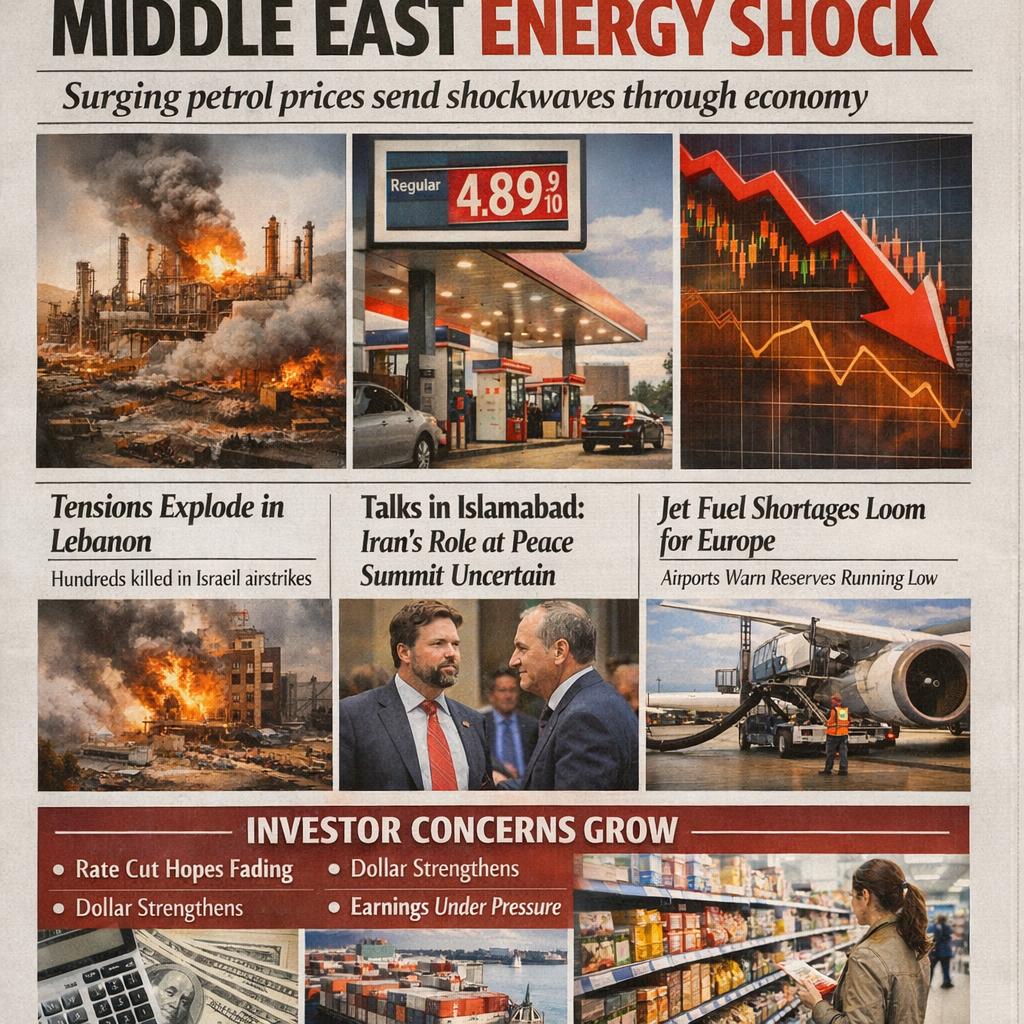
One of the most underappreciated truths in markets is how quickly “a regional conflict” can become “a global pricing event”. This week’s story that US inflation rose to 3.3% in March, driven by an energy shock out of the Middle East and a sharp surge in petrol prices, is a clean reminder of how macro narratives can pivot in a matter of days.
For investors, this isn’t just an inflation print. It’s a warning flare about second-order effects: policy expectations, margins, consumer behaviour, and the risk that a single input (energy) can ripple across everything from transport to food to services.
Why an energy-led inflation jump hits differently
Not all inflation is created equal. Markets tend to react differently to:
1) Demand-driven inflation (people spending more, economies running hot)
2) Supply-driven inflation (something breaks: energy, shipping lanes, commodities, labour availability)
Energy shocks sit firmly in the second camp. They’re messy because they can raise prices while simultaneously pressuring growth. That’s the uncomfortable mix investors fear: inflation that doesn’t come with stronger demand.
When petrol spikes, it’s not only what consumers pay at the pump. Energy is embedded in:
– Logistics and distribution (everything moved by road, air, sea)
– Manufacturing inputs (chemicals, plastics, industrial processes)
– Services costs (travel, delivery, operating expenses)
– Household budgets (less discretionary spend elsewhere)
That’s how you go from “oil is up” to “earnings expectations are wrong”.
The immediate market read-through: rates, the dollar, and duration risk
An upside inflation surprise tends to do three things fast:
1) It hardens the path for rate cuts
Even if policymakers believe the shock is temporary, they have to worry about expectations. If households and businesses start assuming higher prices are the new normal, inflation becomes harder to contain.
2) It pressures long-duration assets
When discount rates rise (or are expected to stay higher for longer), high-growth equities with profits far out in the future can take the hit. The market doesn’t need an actual hike to reprice—just the removal of “cuts are coming soon” optimism.
3) It can support the dollar and tighten global conditions
A firmer US rates outlook often pulls capital toward dollar assets. That matters globally because a strong dollar can make commodities more expensive in local currency terms and can tighten financial conditions for countries and companies with dollar-denominated liabilities.
Where the real damage shows up: earnings, not headlines
The bigger question for investors is whether this becomes a one-month spike or a longer chain of pass-through inflation.
Watch the next phase carefully:
– Do companies absorb higher energy costs (margin compression) or pass them on (stickier inflation)?
– Do consumers trade down (pressure on discretionary and premium brands)?
– Do transport and travel costs reprice quickly (airlines, freight, hospitality)?
– Do wage negotiations adjust upward (second-round effects)?
If energy costs remain elevated long enough, you often see the “quiet” parts of inflation pick up—services, repairs, insurance, subscriptions—areas that don’t fall back as quickly when energy normalises.
Who’s exposed, who benefits
This kind of shock doesn’t move markets evenly.
More exposed:
– Consumer discretionary (when budgets get squeezed)
– Airlines and transport (fuel sensitivity, pricing power varies)
– Industrials with energy-heavy processes (unless hedged)
– Emerging markets reliant on energy imports (currency and trade balance pressure)
– Rate-sensitive equities and credit (if the rates path shifts upward)
Potential beneficiaries (not always cleanly):
– Energy producers and some commodity-linked names
– Certain defensive sectors (if the market turns risk-off)
– Businesses with strong pricing power and low energy intensity
– Inflation-protected instruments (depending on breakevens and real yields)
One important nuance: “energy up = energy stocks up” is not automatic. If the market believes the energy spike will damage growth, broad risk sentiment can overwhelm sector tailwinds in the short run.
What I’m watching next (because this is where portfolios get made or hurt)
If you care about positioning, the next signals are less about one CPI release and more about the pathway:
– Inflation expectations: breakevens, consumer surveys, and what companies say on calls
– Real yields vs nominal yields: is the move about inflation fear or policy repricing?
– Credit spreads: do markets begin to price growth stress?
– Oil and refined products: crude matters, but petrol/diesel tightness is what consumers feel
– Forward guidance: any hints that demand is weakening while costs rise is a red flag
This is the kind of environment where “diversification” stops being a slogan and starts being a stress test. Correlations can jump, hedges can fail, and the market can swing from “soft landing” confidence to “stagflation-lite” anxiety very quickly.
If you’re an investor, how are you thinking about energy-driven inflation risk right now—temporary noise, or a genuine shift in the macro regime? Share your take in the comments.