Markets Don’t Need a Full-Blown War to Reprice — They Just Need a Fragile Weekend
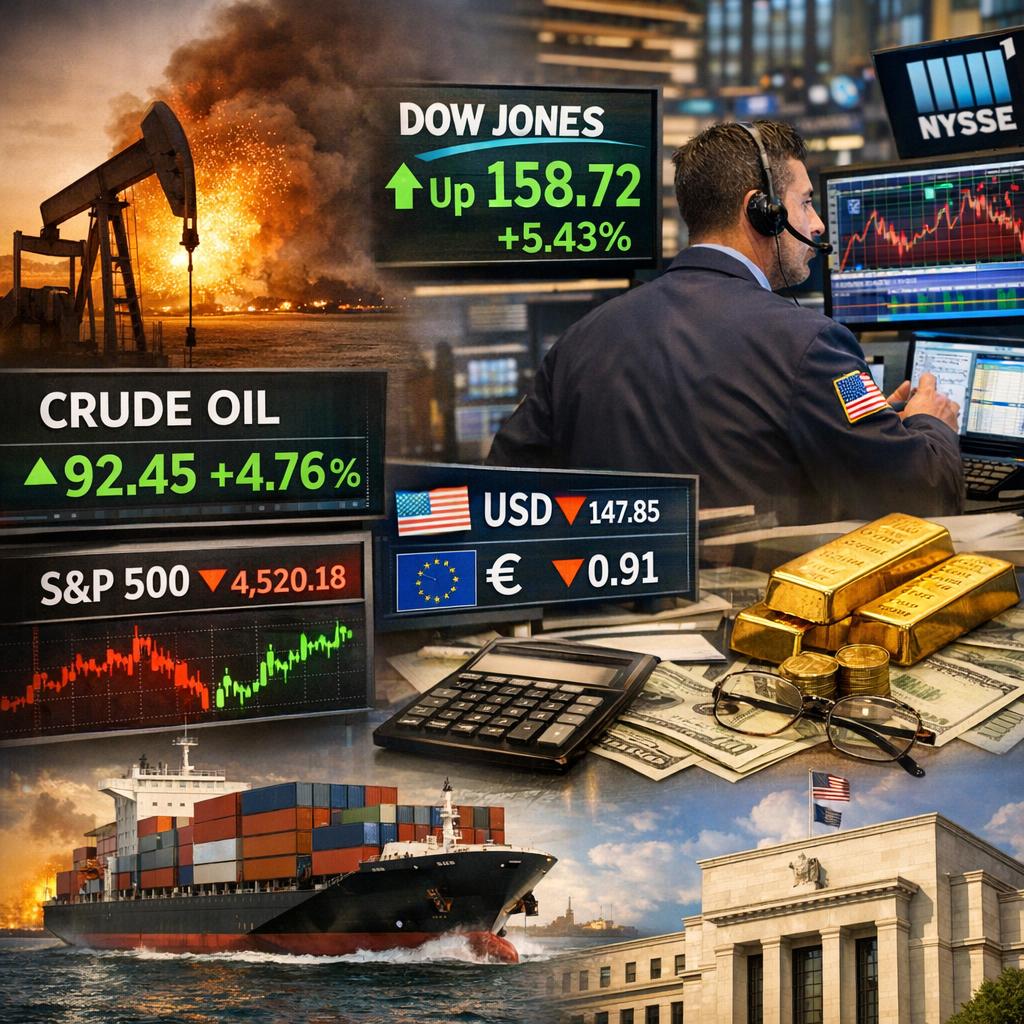
One of the cleanest reminders of how interconnected investing has become showed up in the latest bout of US-Iran tension: US equities split, oil jumped, and FX markets did that familiar “risk calibration” shuffle where everything looks calm right up until it doesn’t.
This isn’t just a headline-driven, one-day volatility story. It’s a macro transmission story — and investors globally should treat it like one.
1) Oil is still the fastest geopolitical pricing mechanism
When markets get a whiff of Middle East escalation, crude tends to move first and loudest. That matters because oil is not simply an energy input anymore; it’s a broad cost layer that touches:
– Transportation and logistics
– Food pricing (through fuel and fertiliser chains)
– Industrial margins
– Consumer sentiment (petrol prices are a psychological tax)
For investors outside the US, this can land even harder. Many economies import energy, so a sharp move in crude acts like an external tightening: more money leaving the country to pay for the same barrel, pressure on trade balances, and often pressure on currencies.
2) A “flat dollar” can still be a big signal
In the currency market, you sometimes learn more from what didn’t happen. A mostly steady dollar in the face of geopolitical stress can suggest a few things:
– Positioning was already defensive (people were pre-hedged)
– Markets think the escalation is containable
– Yield dynamics are offsetting classic safe-haven demand
But here’s the investor takeaway: even when the dollar doesn’t surge, cross-currency moves can still matter. If the yen is weakening on local concerns at the same time geopolitical risk rises, it complicates the usual playbook. The safe-haven map stops being simple, and hedging costs can change quickly — especially for global portfolios that hold US assets but report performance in GBP, EUR, JPY, or emerging market currencies.
3) Equity indices can “look fine” while the internals deteriorate
A Dow up / Nasdaq down kind of day is not random; it’s often a tell that investors are rotating rather than exiting. In periods like this, the market frequently leans toward:
– Energy (obvious beneficiary of higher oil)
– Defence and security (depending on the nature of the conflict)
– “Quality” and cash-flow names over long-duration growth
That matters globally because US equity leadership tends to set the tone for risk appetite elsewhere. If the market is quietly moving away from duration-sensitive growth, you often see the ripple in global tech multiples, venture sentiment, and even IPO windows.
4) The real risk is second-order: inflation expectations and central bank reaction functions
The market isn’t only pricing the event. It’s pricing what the event does to the path of inflation and rates.
If oil stays elevated long enough, it can:
– Re-ignite near-term inflation prints
– Make central banks more cautious about cutting (or more hawkish than expected)
– Raise the “floor” under bond yields
That’s the part equity investors often underestimate: geopolitics can sneak into valuations through the discount rate. A small, persistent change in energy prices can alter expectations for policy, which alters multiples — even if corporate earnings haven’t changed yet.
5) What I’d watch next (globally, not just in the US)
If you’re trying to stay disciplined, the next signals aren’t actually the loudest headlines. I’d watch:
– Whether oil holds the breakout level or mean-reverts quickly
– Credit spreads (do they widen meaningfully, or is this contained to commodities?)
– Shipping and insurance costs (often an early indicator of “real economy” stress)
– FX volatility and hedging costs, especially USDJPY and EM pairs
– Rate-cut expectations (does the market push cuts out again?)
The bigger point: this is what modern market fragility looks like. Not a single crash catalyst, but a chain of repricing across commodities, currencies, rates, and then equities — each step reinforcing the next.
If you’re investing globally, this kind of episode is also a reminder that “diversification” isn’t just owning multiple tickers. It’s understanding your exposures to energy, USD moves, duration, and liquidity — because that’s where the real shocks travel.
If you’ve adjusted your positioning around energy, defence, or FX hedges lately, feel free to share what you’re watching most closely in the comments.